Music Curriculum Statement
‘Music is a universal language that embodies one of the highest forms of creativity. A high quality music education should engage and inspire pupils to develop a love of music and their talent as musicians, and so increase their self-confidence, creativity and sense of achievement. As pupils progress, they should develop a critical engagement with music, allowing them to compose, and to listen with discrimination to the best in the musical canon’ (National Curriculum, 2014)
Early Years Foundation Stage
We teach music in Foundation Stage as an integral part of the topic work covered during the year. Music contributes to a child’s personal and social development. Counting songs foster a child’s mathematical ability; rhymes, singing and instruments forming a basis for phonic development through exploring voice sounds, body percussion, differentiating between sounds via exploration of pitch, timbre, texture, tempo and structure; and songs from different cultures increase a child’s knowledge and understanding of the world.
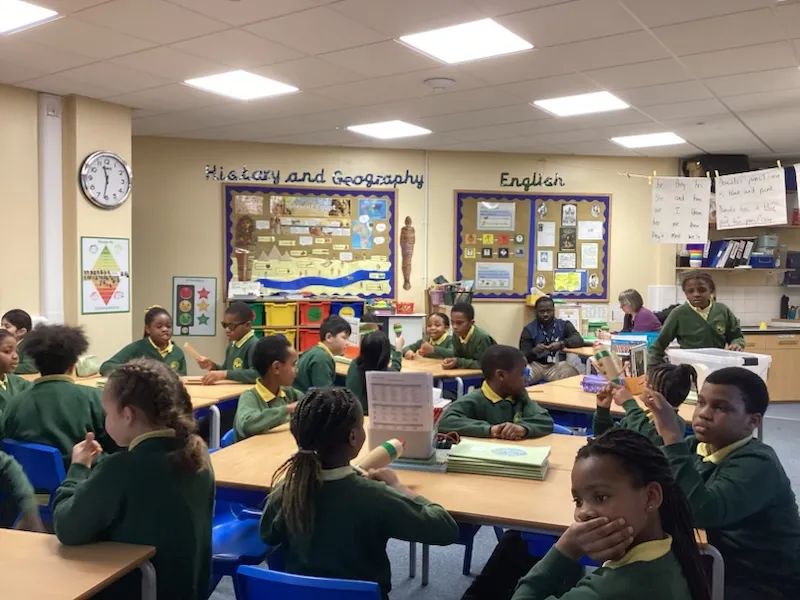
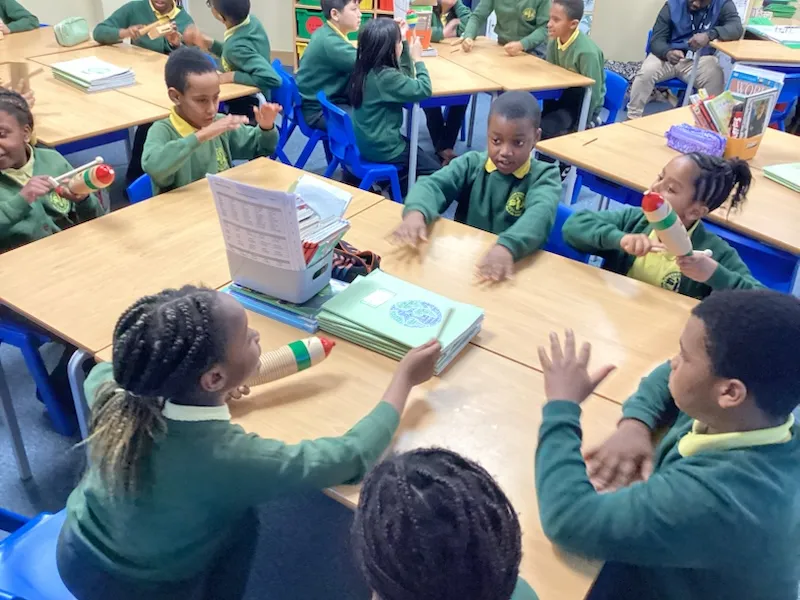
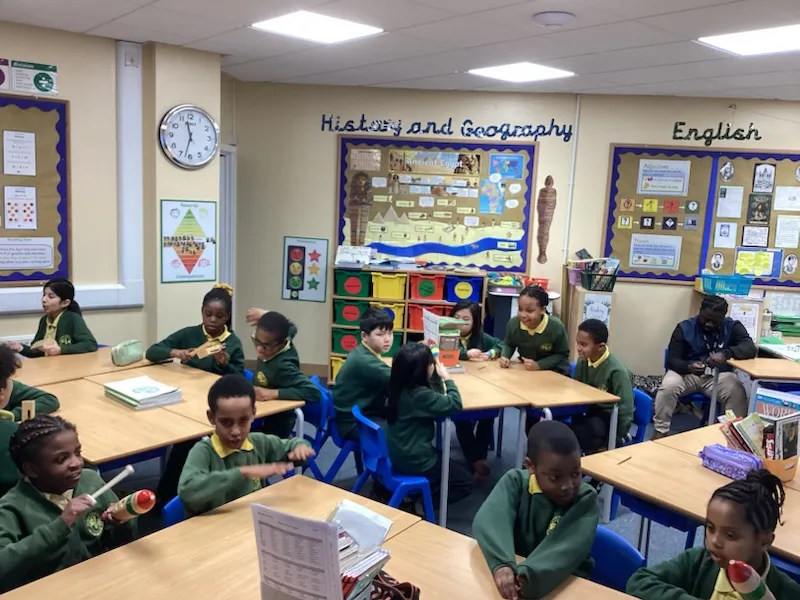
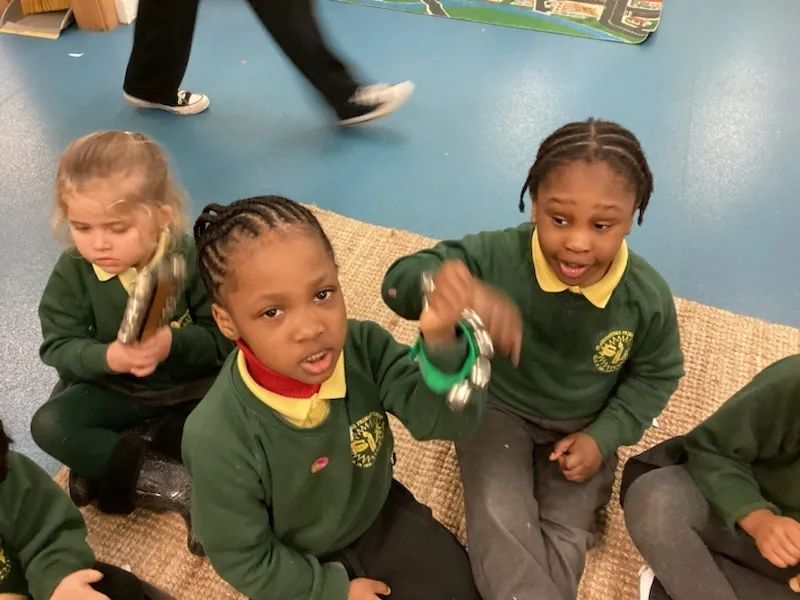
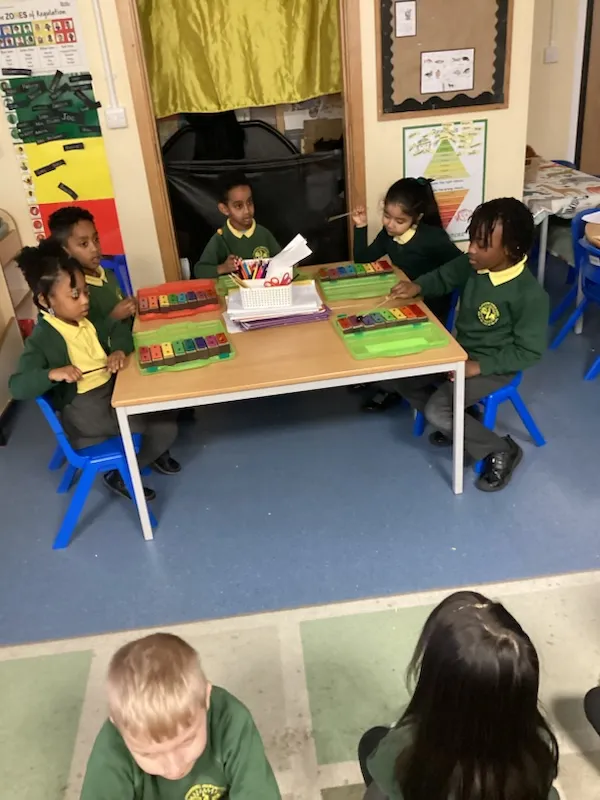
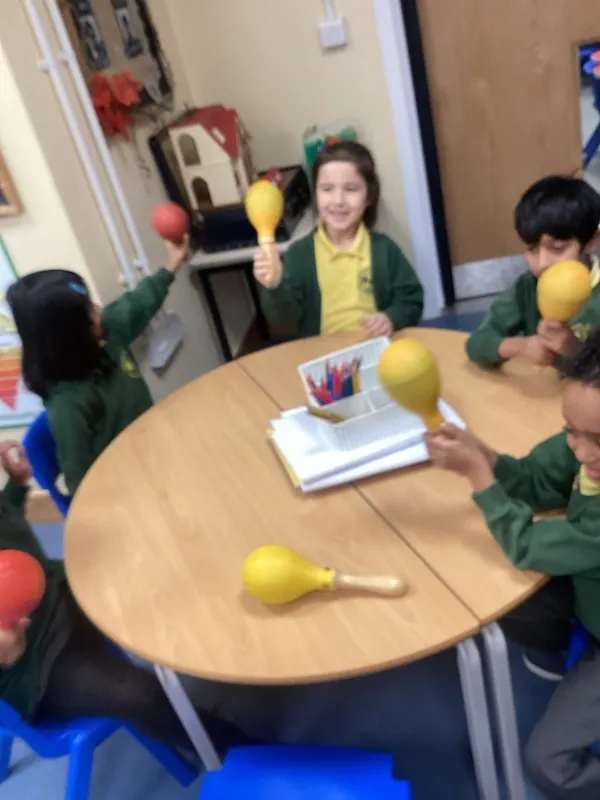
Exploring and playing with instruments
Foundation Stage are learning how to listen to instructions within a song, react accordingly and to remain quiet whilst waiting for a turn. The children are continuing to find their singing voice, both individually and with others and are learning a repertoire of chants and 2 and 3 tone songs.
Key Stage 1
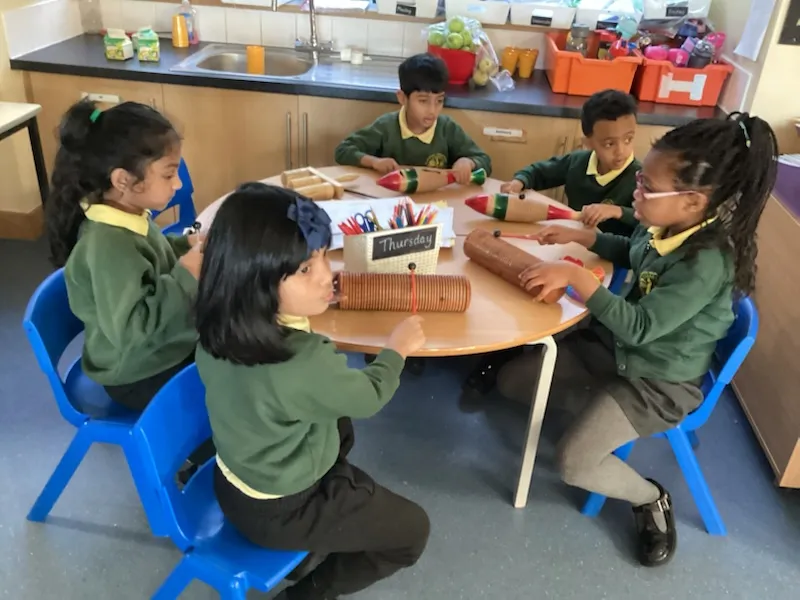
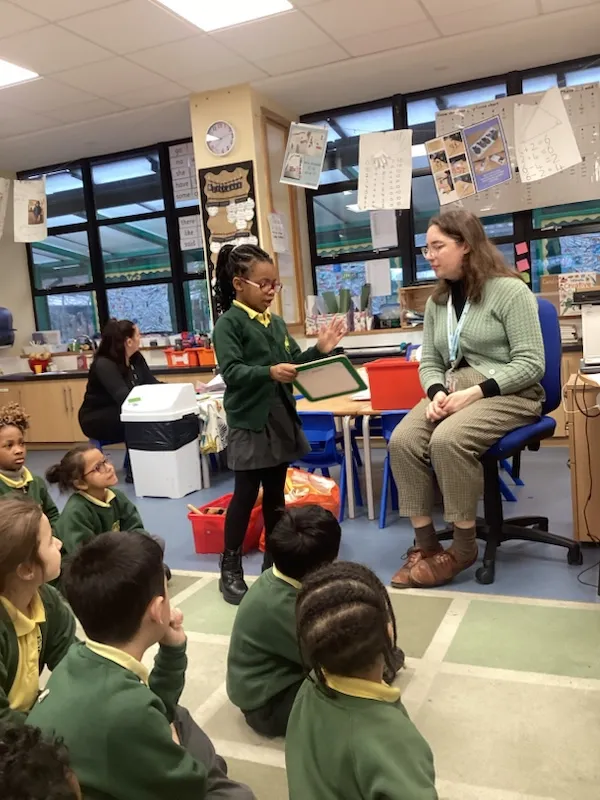
In Key Stage 1, children extend their musical foundation and are taught to use their voices expressively and creatively by singing songs and speaking chants and rhymes; to play tuned and untuned instruments musically; to listen with concentration and understanding to a range of high-quality live and recorded music; and experiment with, create, select and combine sounds using the inter-related dimensions of music.
|
Year 1 In year 1, children have been exploring connections between music, sounds and environments. They have been using percussion instruments, vocal sounds, and body percussion to create sounds like crashing waves, calling seagulls, and rustling sand. They used their voices and instruments to practice varying dynamics.
Year 2 In year 2, children have been developing knowledge and understanding of contrasting dynamics. Children listen to different pieces of music that represent planets and use these musical examples to inspire their own compositions. |
|
Key Stage 2
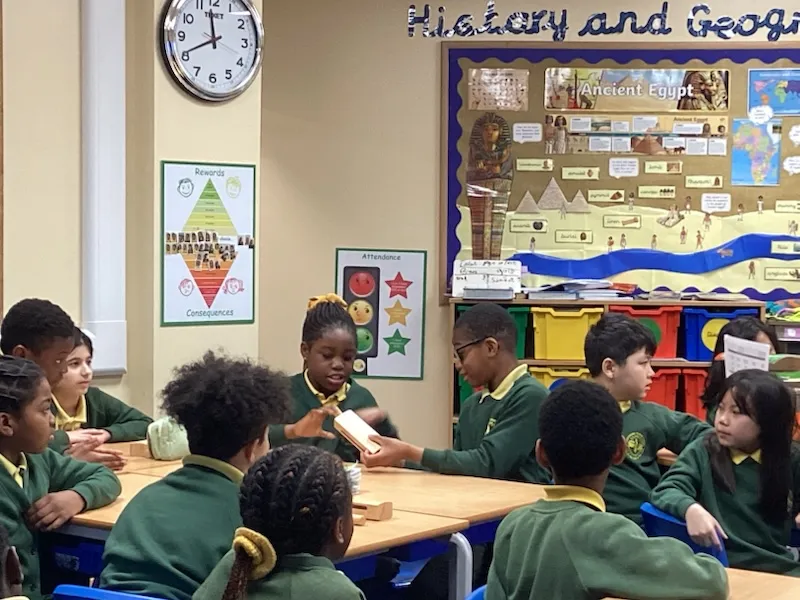
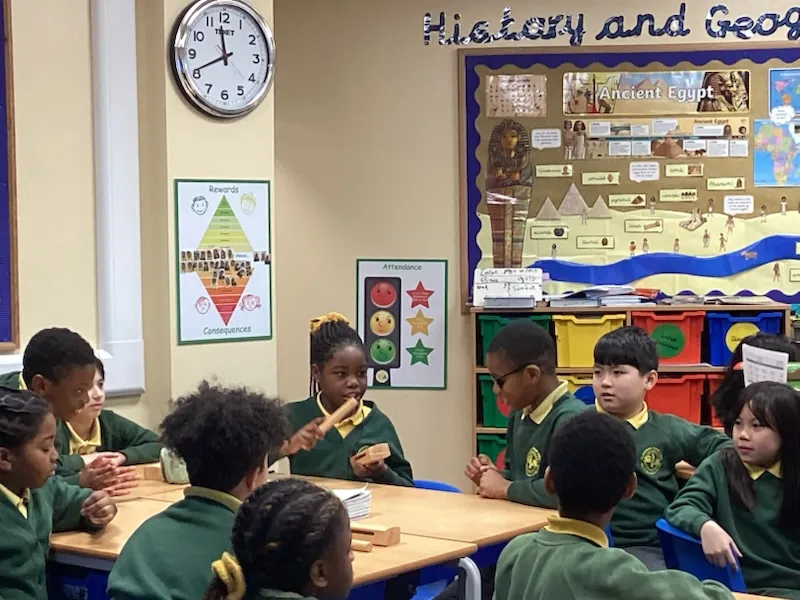
In Key stage 2, children further develop musical skills by playing and performing in solo and ensemble contexts, suing their voices and playing musical instruments with increasing accuracy, fluency, control and expression; improvising and composing music for a range of purposes using the inter-related dimensions of music; listen with attention to detail and recall sounds with increasing aural memory; to use and understand staff and other musical notations; to appreciate and understand a wide range of high-quality live and recorded music drawn from different traditions and from great composers and musicians; and to develop and understanding of the history of music.
|
Year 3 We are proud to be part of the Diocese of Leeds School Singing Programme. The children receive weekly singing sessions delivered by an expert Choral Director from the Diocese, focusing on positive engagement with singing and supporting the Catholic life of the school through sacred music. The sessions offer practical and incremental coverage of areas of the music curriculum - including notation - in a two-year curriculum framework developed by the Diocese, the National Schools Singing Programme and the National Youth Choir of Scotland.
As a result of this, our pupils also have the opportunity to join one of the Diocese’s acclaimed after-school choirs, which offer an incredible opportunity to pursue a passion for singing and music. We currently have 9 children who participate in this. You can find online resources that support this work on the Schools Singing Programme’s YouTube channel (www.schoolssingingprogramme.
Year 4 In year 4, linking to geography learning, children have been representing different stages of the river through vocal and percussive ostinatos, culminating in a final group performance.
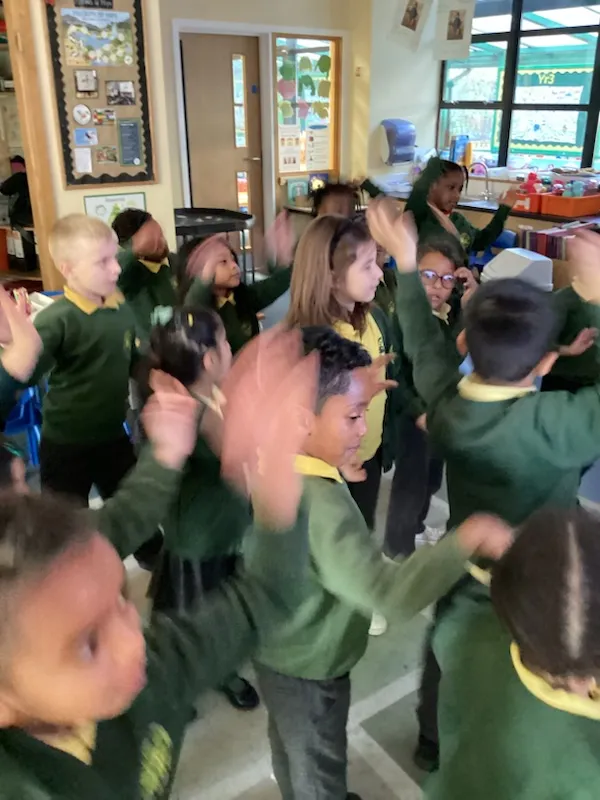
Year 5 In year 5, children have been learning ‘shosholoza,’ a traditional South African song, playing the accompanying chords using tuned percussion and some dance moves.
Year 6 Year 6 are continuing to develop their Melodica skills and knowledge. The children are applying their knowledge of musical notation to chords and using them in sequence when performing rhythms with others, showing an awareness of balance. |
|